Article Contents:
- Evolution of aesthetic ideals
- The rise of selfies and self-expression
- Influencer culture and its effect
- The filter effect
- The dark side of social media
- Empowering authenticity and diversity
- Conclusion
Social media platforms have become more than just a means of connecting with others in today’s digital world. They have evolved into powerful influences, shaping many parts of our lives, including the way we see beauty and aesthetic standards.
From perfectly choreographed posts to flawless selfies, social media has undoubtedly influenced how we define and pursue beauty. In this article, we will look at the impact of social media on aesthetic values, specifically how these platforms have shifted beauty standards and influenced our perception of what is considered beautiful.
We will discover both the positive and negative consequences of this digital revolution and what it means for our self-perception and well-being as we go through the evolution of aesthetic preferences in the era of selfies and filters.
1. Evolution of Aesthetic Ideals
Social media has completely changed how we view beauty.
In the past, magazines and television set the standards.
Now, platforms like Instagram and TikTok let people shape their own style and express individuality.
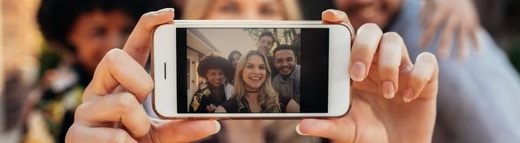
Social media-enabled selfie culture has allowed people to express themselves and modify traditional beauty standards. Selfies, frequently enhanced with filters, have evolved into a form of self-expression and confidence-building, enabling people to embrace their individual characteristics.

Social media influencers have also played an essential role in determining aesthetic choices. They provide new beauty trends, products, and practices to the market, challenging established beauty ideals and providing alternative sources of inspiration. Social media has also encouraged diversity and body positivity, highlighting many body types, sizes, and skin tones.
It has provided a voice to underrepresented communities, encouraging individuals to embrace their distinct identities. While social media has brought many beneficial changes, it has additionally created issues concerning self-esteem, comparison, and the temptation to conform to unattainable beauty standards.
2. The Rise of Selfies and Self-Expression
The selfie revolution has transformed how people present themselves online.
With front-facing cameras and apps like Instagram, users can show their personal style and experiment with self-expression.
This can boost confidence and challenge outdated beauty ideals.
However, the constant push for “perfect” photos can also lead to comparison and low self-esteem.
Finding balance between self-expression and authenticity is key.
3. Influencer Culture and Its Effect
Influencer culture plays a big role in shaping beauty standards on social media.
Influencers act as trendsetters, sharing new products, techniques, and styles with their large audiences. Their posts often go viral and spark new beauty movements.

By bridging the gap between everyday users and the beauty industry, influencers now have more power than traditional media ever did.
But it’s important to approach influencer content with a critical eye.
While many share helpful advice, others promote paid partnerships or sponsored products. The line between honest opinion and advertising can easily blur.
Always take inspiration wisely, check facts, and choose what genuinely suits you – not just what’s trending online.
4. The Filter Effect
Filters are one of the most noticeable features of social media. They can instantly change how people look and, over time, shape how we define beauty.
With filters, anyone can smooth skin, brighten eyes, or hide imperfections — creating an idealised version of themselves online. While this can be fun and creative, it can also set unrealistic standards.
Constant exposure to filtered images can distort how we see ourselves and increase pressure to look “perfect.” Many people start comparing their real appearance to these edited versions, which can harm self-esteem and body confidence.
It’s important to remember that filters don’t show reality. Embracing natural beauty and practising body acceptance can help build a healthier, more positive self-image.
5. The Dark Side of Social Media
Social media has completely changed how we see beauty – but it also has a darker side.
Constant exposure to filtered and edited photos can affect self-worth and mental health. Many people compare their real appearance to the flawless images they see online. This constant comparison can lead to feelings of inadequacy and self-doubt.

The pressure to meet unrealistic beauty standards may also cause body dissatisfaction or unhealthy habits, such as over-editing photos, extreme dieting, or considering unnecessary cosmetic treatments.
Studies show that people who spend more time viewing beauty or surgery-related content on social media are more likely to think about undergoing cosmetic procedures themselves.
It’s important to remember that most online photos are heavily edited and don’t reflect reality. Focusing on self-acceptance, following diverse creators, and limiting comparison can help create a healthier, more positive relationship with social media.
6. Empowering Authenticity & Diversity
Despite the challenges of social-media beauty culture, a growing movement is embracing authenticity and celebrating diversity.
Platforms like Instagram and TikTok now give people space to challenge old beauty ideals and show who they really are.
By sharing unfiltered photos and embracing their natural selves, people are inspiring others to do the same. This trend toward real, imperfect beauty encourages self-acceptance and helps redefine social norms.
Social media has also become a place where underrepresented groups can reclaim their voices and reshape perceptions of beauty. People of all backgrounds, body types, and gender expressions are proving that beauty exists in many forms.
When we champion authenticity and diversity online, communities become more inclusive and supportive. Recognising the beauty of individuality helps counter unrealistic standards and builds a more positive, empowering digital culture.
7. To Conclude…
Social media has transformed how we see and define beauty. It offers endless opportunities for creativity and connection – but also brings challenges.
From selfies and filters to influencer culture, these platforms have changed aesthetic standards and given people new ways to express themselves.
However, it’s important to approach social media mindfully. While it can inspire self-expression and diversity, it can also lead to comparison, self-doubt, and pressure to meet unrealistic ideals.
The key is balance. By promoting body positivity, inclusivity, and authenticity, we can enjoy the positive side of social media while avoiding its pitfalls.
Beauty comes in many forms, and self-acceptance is essential for a healthy relationship with our appearance — both online and offline.
In the end, it’s up to us to make social media a place that empowers, uplifts, and celebrates everyone.
Written by Will Jackson for the You Can Clinic, one of the UK’s leading providers of aesthetic training and pharmaceutical supplies.